
Single News
How to Choose the Perfect Rattan Plant Basket for Your Home

Table of Contents
What Is a Rattan Plant Basket?

Natural Rattan Material and Its Characteristics
Rattan plant baskets are handcrafted from natural rattan palms, primarily sourced from tropical regions of Southeast Asia. This remarkable material combines flexibility with exceptional durability, making it an ideal choice for plant containers. Unlike synthetic alternatives, natural rattan possesses inherent moisture resistance and structural integrity that allows it to maintain its shape even under the weight of substantial plants and soil.
The production process involves harvesting mature rattan canes, which are then cleaned, treated, and woven by skilled artisans. Each basket tells a story of traditional craftsmanship, with variations in weave patterns and natural coloration adding unique character to every piece. Much like how silicon carbide heating rods rely on precise material composition for optimal performance, rattan baskets depend on the careful selection and processing of raw materials to ensure longevity and functionality.
Differences Between Rattan, Wicker, and Bamboo Baskets
Understanding the distinctions between natural materials is crucial for making informed purchasing decisions:
- Rattan: A solid, vine-like palm that grows vertically in tropical forests. Rattan baskets are exceptionally durable and can withstand significant weight without deforming. The solid structure of rattan poles provides strength comparable to how silicon carbide heating elements maintain structural integrity at extreme temperatures.
- Wicker: A weaving technique rather than a material itself. Wicker baskets can be made from rattan, willow, bamboo, or even synthetic materials. The quality depends on both the weaving method and the base material used.
- Bamboo: Hollow, segmented grass that grows extremely fast. While bamboo baskets are lightweight and eco-friendly, they generally lack the tensile strength of solid rattan and may be more prone to cracking under heavy loads.
Each material serves different purposes, but for plant baskets requiring durability and moisture resistance, natural rattan remains the superior choice, offering performance characteristics that parallel the reliability of industrial-grade heating solutions.
Why Rattan is Ideal for Plant Storage and Decoration
Rattan plant baskets excel in both functionality and aesthetics. Their open weave design provides essential drainage and aeration for plant roots, promoting healthier growth by preventing water accumulation—a principle similar to how well-designed heating elements require proper heat dissipation for optimal operation.
The natural aesthetic of rattan complements virtually any interior design style, from bohemian to modern minimalist. Unlike mass-produced plastic containers that can look artificial and deteriorate over time, rattan baskets develop a rich patina as they age, enhancing their visual appeal while maintaining functionality. This combination of practical benefits and enduring beauty makes rattan the material of choice for discerning plant enthusiasts and interior designers alike.
Benefits of Using a Rattan Plant Basket

Eco-Friendly and Sustainable Home Decor Option
In an era where environmental consciousness drives consumer choices, rattan plant baskets stand out as genuinely sustainable options. Rattan is a rapidly renewable resource that grows faster than most tropical hardwoods, with some species capable of growing up to 6 meters per year. The harvesting process is carefully managed to ensure the continued health of rattan populations, making it one of the most environmentally responsible materials available for home decor.
Unlike synthetic alternatives derived from petroleum products, natural rattan is completely biodegradable and produces no harmful emissions during production or decomposition. This sustainability profile resonates with consumers who prioritize environmental responsibility in their purchasing decisions, much as industrial buyers seek energy-efficient silicon carbide heating rods to reduce their carbon footprint.
The minimal processing required for rattan baskets further enhances their eco-friendly credentials. Local craftsmen can produce these items using traditional techniques that require minimal energy input and generate little waste, supporting both environmental sustainability and local economic development.
Lightweight yet Durable Structure
One of the most remarkable properties of rattan plant baskets is their exceptional strength-to-weight ratio. A well-crafted rattan basket can support substantial plants and soil while remaining light enough to move easily for cleaning or rearranging. This unique combination of properties results from rattan’s cellular structure, which provides tensile strength comparable to many metals at a fraction of the weight.
The durability of rattan extends beyond its load-bearing capacity. Unlike materials that become brittle over time, properly treated rattan maintains flexibility and resistance to cracking even after years of use. This longevity mirrors the extended service life of high-quality silicon carbide heating elements, which are designed to withstand thousands of hours of operation without degradation.
The lightweight nature of rattan baskets also reduces shipping costs and environmental impact compared to heavier ceramic or stone containers, making them an economical choice for both retailers and consumers.
Breathable Design for Healthier Plants
The open-weave construction characteristic of rattan plant baskets provides essential aeration for plant root systems. Unlike sealed containers that can trap moisture and promote root rot, rattan baskets allow excess water to drain naturally while permitting air circulation around the roots. This breathable environment creates optimal growing conditions for most plant species.
The moisture management properties of rattan also help regulate soil humidity. The natural material absorbs some moisture from the soil surface, releasing it slowly back into the surrounding environment as conditions become drier. This passive humidity regulation reduces the frequency of watering required and helps maintain consistent soil conditions—much as precision temperature control systems maintain stable conditions in industrial applications.
Furthermore, the natural antimicrobial properties of rattan help prevent the growth of harmful microorganisms that can affect plant health, creating an environment that actively supports plant growth rather than merely containing it.
Enhancing Indoor and Outdoor Aesthetics
Rattan plant baskets serve as decorative elements that enhance any space they occupy. The natural warmth and texture of woven rattan create visual interest that complements both indoor and outdoor environments. The subtle variations in color and weave pattern mean that no two baskets are exactly alike, adding organic authenticity to interior design schemes.
For outdoor applications, rattan baskets weather gracefully, developing a silver-grey patina that many homeowners find attractive. This natural aging process contrasts favorably with synthetic materials that may fade, crack, or become brittle when exposed to sunlight and temperature fluctuations. The material’s resistance to temperature extremes makes it suitable for use in climates where temperatures vary dramatically—much like silicon carbide heating rods are designed to perform reliably across a wide temperature range.
The versatility of rattan extends to its ability to blend with various design aesthetics. Whether placed in a rustic farmhouse setting, a modern minimalist apartment, or a tropical-inspired sunroom, rattan plant baskets integrate seamlessly, adding character without overwhelming the existing decor.
Key Factors to Consider When Choosing a Rattan Plant Basket

Size Selection for Different Types of Plants
Choosing the correct basket size is fundamental to plant health and aesthetic appeal. The basket must accommodate both the current plant and its expected growth, providing adequate room for root development while maintaining proper proportions between container and plant.
For small plants (up to 6 inches in diameter), baskets with internal diameters of 8-10 inches provide sufficient space for root development while maintaining a pleasing scale. These compact baskets work well for herb gardens, succulent collections, or small flowering plants displayed individually or in groups.
Medium plants (6-12 inches in diameter) require baskets with 12-16 inch internal diameters. This size category includes most common houseplants such as peace lilies, snake plants, and medium-sized ferns. The larger volume provides adequate soil for sustained growth while ensuring the plant remains stable.
Large plants (12+ inches in diameter) need substantial baskets with 18-24 inch internal diameters or larger. These include specimen plants like fiddle leaf figs, large palms, or bird of paradise plants. The robust construction required for these baskets ensures they can support substantial weight without deforming—similar to how silicon carbide heating rods must withstand extreme physical stresses at high temperatures.
Always consider the plant’s mature size rather than its current dimensions when selecting basket size, allowing for 2-3 years of growth before requiring repotting.
Shape and Structure (Round, Square, Deep Baskets)
The shape of a rattan plant basket affects both its functionality and visual impact in your space.
Round baskets are the most traditional and versatile option. Their circular shape promotes even root growth and makes them easy to place in corners or against walls without creating awkward visual angles. The continuous curve of round baskets also distributes structural stress evenly, enhancing durability.
Square and rectangular baskets maximize space efficiency, particularly in commercial settings or where multiple plants are displayed together. Their straight edges allow them to be placed flush against walls or arranged in tight configurations. However, corners can be points of stress concentration where the weave may be more susceptible to wear.
Deep baskets with greater vertical depth are ideal for plants with extensive root systems or those requiring substantial soil volume. The additional depth provides better moisture retention and stability for tall plants. However, ensure the basket’s height complements rather than overwhelms the plant itself.
The internal structure should also be considered—baskets with internal wire frames or reinforced rims offer additional strength for heavy plants, much as silicon carbide heating elements incorporate structural supports to maintain shape under thermal stress.
Load Capacity and Durability
Load capacity becomes particularly important when selecting baskets for large plants or commercial applications. Several factors influence a rattan basket’s load-bearing capacity:
- Rattan quality: Premium-grade rattan with tight grain patterns offers superior strength compared to lower-grade materials with irregular grain.
- Weave density: Tightly woven baskets distribute weight more evenly and provide greater structural integrity.
- Wall thickness: Thicker walls with multiple layers of rattan can support significantly more weight than thin, single-layer constructions.
- Reinforcement: Internal supports, wire frames, or additional weaving at stress points enhance load capacity.
For heavy plants exceeding 50 pounds when planted, choose baskets specifically rated for substantial loads or those with reinforced construction. The engineering principles behind these reinforced designs parallel the careful structural considerations in silicon carbide heating rod manufacturing, where material quality and construction methods directly impact performance under stress.
Testing load capacity before final selection is advisable—place a weight equivalent to the planted pot in the basket and observe for any signs of deformation or weakness.
Indoor vs Outdoor Usage Considerations
The intended location significantly influences which rattan basket will perform best in your specific application.
Indoor baskets prioritize aesthetic appeal and integration with interior design. These typically feature tighter weaves for a refined appearance and may include decorative elements such as handles or contrasting weaves. The controlled indoor environment allows for more delicate construction methods that wouldn’t withstand exposure to outdoor elements.
Outdoor baskets require enhanced durability and weather resistance. These should feature:
- Looser weaves that allow better drainage and prevent water accumulation
- Protective treatments that resist UV degradation and moisture damage
- Thicker rattan poles that withstand temperature fluctuations and physical stress
- Elevated designs or feet that prevent direct contact with wet surfaces
The climate in your region should also inform your choice. In humid environments, baskets with more open weaves prevent mold growth, while in arid climates, denser weaves help maintain soil moisture. This climate-specific approach mirrors how silicon carbide heating elements are selected based on operating atmosphere—different conditions require different material properties for optimal performance.
For transitional spaces like sunrooms or covered porches, choose baskets that offer a balance between indoor refinement and outdoor durability.
Choosing the Right Rattan Plant Basket for Different Spaces

Living Room Decoration Ideas
The living room serves as the primary showcase for rattan plant baskets, where they can create stunning visual impact while adding natural warmth to the space. Large specimen plants in substantial rattan baskets make bold statements when placed in corners or beside furniture, creating natural focal points that draw the eye and soften architectural features.
For contemporary living rooms, consider grouping multiple rattan baskets of varying sizes to create organic arrangements that add visual interest without overwhelming the space. Plants with architectural forms—such as bird of paradise, snake plants, or fiddle leaf figs—particularly complement the structured elegance of rattan weaving.
The color palette of your living room should influence your rattan selection. Natural light rattan works beautifully with neutral color schemes and light woods, while darker, aged rattan provides rich contrast against white walls or light upholstery. This thoughtful coordination of materials and colors demonstrates the same attention to detail found in industrial design, where silicon carbide heating elements are selected to complement specific furnace configurations and process requirements.
Rattan baskets with handles or decorative elements can be used to create visual rhythm when repeated along shelves or mantels, creating cohesive design schemes that integrate plants seamlessly into the overall interior composition.
Balcony and Patio Plant Styling
Outdoor living spaces benefit tremendously from the natural aesthetic of rattan plant baskets, which bridge the gap between interior comfort and outdoor natural elements. The durability of properly treated rattan makes it suitable for balcony and patio applications where it can withstand exposure to sun, wind, and occasional rain while maintaining its structural integrity and visual appeal.
For balconies with limited space, consider tiered arrangements using rattan baskets of graduated sizes, or hang baskets from railings using appropriate support systems. The vertical gardening approach maximizes growing space while creating an attractive display that enhances privacy and visual interest.
On patios and larger outdoor areas, substantial rattan baskets containing statement plants can define outdoor “rooms” and create natural boundaries between different functional zones. Large palms in tall rattan planters can create natural screens or shade elements, while smaller baskets with herbs or flowering plants provide accent points around seating areas.
The weathering process of outdoor rattan baskets should be embraced rather than resisted. The gradual development of a silver-grey patina adds character and integrates the baskets with the outdoor environment much as aged silicon carbide heating elements develop protective surface layers that enhance their performance in demanding applications.
Bedroom and Office Plant Arrangements
In private work and rest spaces, rattan plant baskets contribute to creating calm, natural environments that promote well-being and productivity. The organic textures and earthy colors of rattan have been shown to reduce stress and create more comfortable living and working environments.
For bedrooms, choose rattan baskets with softer, more relaxed weaves that contribute to a peaceful atmosphere. Plants selected for these spaces should prioritize air quality improvement and humidity regulation—snake plants, peace lilies, and pothos are excellent choices that thrive in the breathable environment provided by rattan containers.
Office environments benefit from the professional yet natural appearance of rattan baskets. Select baskets with tighter, more consistent weaves that convey quality and attention to detail. Group plants in varying sizes to create visual interest while maintaining an organized appearance that supports productivity.
The acoustic properties of rattan—its ability to absorb and dampen sound waves—make it particularly valuable in office settings where it can help reduce noise levels and create more comfortable working environments. This functional benefit parallels the thermal insulation properties of silicon carbide heating elements, which contribute to overall system efficiency beyond their primary heating function.
Small Space Solutions with Compact Baskets
Urban living and compact apartments demand creative solutions for incorporating plants into limited spaces. Rattan baskets excel in these applications due to their versatility and ability to maximize growing capacity while maintaining visual lightness.
Vertical solutions include hanging rattan baskets from ceiling hooks or wall-mounted brackets. The lightweight nature of rattan makes these installations safe and practical even in apartments with weight restrictions. Select baskets with reinforced rims and appropriate hanging hardware to ensure security.
For shelf and tabletop displays, choose compact rattan baskets that complement rather than overwhelm the plants they contain. Group small baskets together to create the visual impact of a larger display while maintaining the flexibility to rearrange individual plants as needed.
Corner spaces can be utilized with triangular or specially designed rattan baskets that fit perfectly into awkward angles, transforming dead space into attractive plant displays. These space-efficient designs demonstrate the same innovative approach to problem-solving found in industrial applications, where silicon carbide heating rods are engineered to fit precisely into constrained furnace spaces.
Multipurpose furniture incorporating rattan baskets—such as plant stands with integrated storage or coffee tables with removable planters—further maximizes space efficiency while adding natural elements to functional pieces.
Popular Styles of Rattan Plant Baskets

Boho and Farmhouse Style Baskets
Bohemian and farmhouse interior design styles have embraced rattan plant baskets as essential elements that contribute warmth, texture, and natural authenticity to living spaces. These design philosophies prioritize comfort, individuality, and connection to natural materials—values that align perfectly with the organic appeal of rattan.
Boho-style rattan baskets often feature more relaxed, uneven weaves that celebrate the handcrafted nature of the material. These may incorporate decorative elements such as tassels, fringes, or mixed materials that create eclectic, personalized looks. The imperfect beauty of these baskets reflects the bohemian appreciation for authenticity and artistic expression.
Farmhouse-style baskets typically feature tighter, more consistent weaves with a focus on durability and practical functionality. These often include reinforced rims and handles that evoke traditional craftsmanship while meeting modern standards of quality. The natural, unbleached coloration characteristic of farmhouse aesthetics highlights the organic origins of the material.
Both styles benefit from the natural aging process of rattan, which develops a rich patina over time that enhances the character and warmth of the space. This evolving beauty contrasts with the static appearance of synthetic alternatives, much as silicon carbide heating rods develop protective surface layers that enhance rather than diminish their appearance over time.
The versatility of rattan allows these traditional design elements to be interpreted in contemporary ways, creating spaces that feel both timeless and current.
Modern Minimalist Woven Designs
Modern minimalist design principles have found a perfect partner in carefully crafted rattan baskets that emphasize clean lines, precise craftsmanship, and refined aesthetics. Far from the rustic associations of earlier decades, contemporary rattan baskets feature sophisticated weaving patterns and meticulous finishing that align with the most refined modern interiors.
Minimalist rattan baskets often showcase the beauty of simple geometric shapes and uniform weaves that create visual interest through repetition and precision rather than ornamentation. The focus on essential design elements allows the natural beauty of the rattan material to take center stage, much as the fundamental properties of silicon carbide make it ideal for high-performance applications without unnecessary complexity.
These contemporary designs frequently incorporate subtle innovations such as integrated saucers, removable liners, or hidden handles that maintain visual simplicity while adding functionality. The precise engineering required for these features parallels the careful design considerations in silicon carbide heating element manufacturing, where every detail contributes to overall performance.
Color palettes for modern rattan baskets often include bleached white, natural blonde, and carefully controlled brown tones that complement neutral interior schemes. The refined appearance of these baskets allows them to integrate seamlessly into minimalist spaces without disrupting the careful visual balance essential to this design approach.
The combination of natural materials with contemporary design sensibilities creates products that feel both familiar and fresh, appealing to consumers who value both tradition and innovation.
Handmade Decorative Rattan Baskets
The handmade nature of premium rattan baskets represents one of their most valuable attributes, distinguishing them from mass-produced alternatives and creating tangible connections to skilled artisans and traditional crafting techniques. Each handmade basket bears subtle variations that make it unique, adding character and authenticity to interior spaces.
Traditional handmade techniques involve skilled craftsmen who have often learned their trade through generations of family practice. These artisans understand the properties of different rattan varieties and select appropriate materials for specific applications. Their expertise in weaving patterns, joint construction, and finishing techniques ensures baskets that are both beautiful and exceptionally durable.
The time-intensive nature of handmade production—often requiring several days to complete a single basket—justifies the higher price point through superior quality and longevity. This investment in craftsmanship mirrors the value proposition of precision-engineered silicon carbide heating rods, where careful manufacturing processes ensure performance that justifies the initial cost through extended service life.
Decorative handmade rattan baskets often incorporate intricate weaving patterns that serve both aesthetic and structural purposes. Complex geometric designs, woven handles, and reinforced rims demonstrate the artisan’s skill while enhancing the basket’s functionality and visual appeal.
Supporting handmade rattan basket production also contributes to the preservation of traditional crafts and provides economic opportunities for skilled artisans in developing regions, adding an ethical dimension to the purchase decision.
Natural vs Dyed Finishes
The coloration of rattan plant baskets significantly influences their visual impact and compatibility with different interior design schemes. Understanding the characteristics of natural and dyed finishes helps in selecting the appropriate option for specific applications.
Natural rattan finishes showcase the material’s inherent color variations, ranging from pale blonde to warm amber depending on the specific rattan species and processing methods. These natural colors develop rich patinas over time as the rattan ages and reacts to light and environmental conditions. The evolving appearance creates visual interest and connection to the natural world.
Natural finishes require minimal processing and avoid potentially harmful chemical dyes, making them the most environmentally friendly option. The organic coloration complements a wide range of interior styles and tends to age gracefully, developing character that enhances rather than diminishes the basket’s appearance.
Dyed rattan finishes offer greater control over color and can be selected to match specific design schemes or create deliberate contrasts. Modern dyeing techniques use eco-friendly, lightfast pigments that resist fading while maintaining the natural texture and visible grain of the rattan.
Popular dyed colors include white for clean, modern aesthetics; charcoal for sophisticated contemporary spaces; and various earth tones that provide the warmth of natural rattan with more consistent coloration. The dyeing process can also enhance the material’s resistance to UV degradation, making dyed baskets suitable for outdoor applications.
The choice between natural and dyed finishes should consider the intended location, surrounding color scheme, and preference for the natural aging process versus consistent appearance over time.
Functional Features to Look For

Rattan Plant Basket with Liner for Water Protection
Water management represents one of the most critical considerations for plant container selection, and rattan baskets with integrated liners offer elegant solutions to this practical challenge. These liners prevent water from escaping through the weave while maintaining the breathable properties essential for healthy root systems.
Internal liners typically consist of plastic or waterproof fabric inserts that fit snugly inside the rattan basket. These can be removable for easy cleaning or permanently integrated depending on the design. The liner should feature drainage holes that align with the basket’s construction to allow excess water to escape while protecting the rattan and surrounding surfaces from water damage.
The liner material selection influences both functionality and environmental impact. High-quality plastic liners provide excellent water resistance and durability, while natural fabric liners offer better breathability and more sustainable material composition. The best options balance water containment with adequate drainage and aeration.
Some innovative designs incorporate hidden reservoirs that capture excess water for gradual reabsorption by the soil, reducing the frequency of watering while maintaining optimal moisture levels. This self-watering approach parallels the sophisticated temperature regulation systems used with silicon carbide heating elements, where precise control maximizes efficiency.
When selecting lined rattan baskets, ensure the liner material is food-safe and non-toxic, particularly if growing herbs or vegetables. The liner should also be replaceable in case of damage, extending the overall lifespan of the basket.
Baskets with Handles for Easy Movement
The convenience of movable plant containers cannot be overstated, particularly for larger plants that require periodic rotation for even growth, seasonal repositioning, or cleaning behind and beneath the plant. Rattan baskets with well-designed handles transform potentially cumbersome operations into manageable tasks.
Integrated handles woven directly into the basket structure provide the most aesthetically pleasing and durable solution. These handles should be constructed with additional reinforcement at attachment points to withstand the weight of planted baskets without failing or deforming. The handle design should distribute weight comfortably across the hand to prevent strain during lifting.
Removable handles offer greater flexibility, allowing baskets to be used with or without handles depending on the situation. These typically attach through reinforced holes in the basket rim using robust hardware that won’t damage the rattan structure. The removable design also facilitates cleaning and maintenance.
The positioning of handles significantly affects functionality. Central handles work well for medium-sized baskets, while larger containers benefit from dual handles positioned for balanced lifting. The handle height should provide adequate clearance for fingers while maintaining a comfortable grip angle.
For exceptionally heavy plants, consider baskets with integrated lifting mechanisms or designs that accommodate lifting straps. These specialized features enable safe movement of substantial planters without risking damage to either the basket or the plant.
The material and construction quality of handles must match that of the basket itself. Flimsy or poorly attached handles compromise both functionality and safety, much as inadequate mounting systems can undermine the performance of silicon carbide heating elements in industrial applications.
Hanging Rattan Plant Basket Options
Hanging baskets maximize vertical growing space and create dramatic visual effects, particularly in areas with limited floor space. Rattan’s lightweight yet strong nature makes it an excellent material for suspended plant containers that combine beauty with practical functionality.
Standard hanging baskets feature integrated suspension systems with chains, ropes, or natural fiber cords attached to reinforced points on the basket rim. The hanging mechanism must be rated for significantly more than the expected weight to provide a safety margin for dynamic loads caused by wind or movement.
Macramé-style rattan baskets incorporate intricate hanging patterns created from the rattan material itself, creating artistic suspended displays that blur the line between container and decorative art. These designs often require specialized crafting techniques and represent some of the most sophisticated rattan basket constructions available.
Adjustable hanging systems allow for easy height modification, facilitating access for maintenance while accommodating plant growth. These systems typically incorporate pulleys or slide mechanisms that maintain stability while allowing vertical positioning adjustments.
The attachment hardware for hanging rattan baskets must be appropriate for the mounting surface—ceiling hooks for overhead installations, wall-mounted brackets for vertical displays, or freestanding frames for situations where permanent mounting isn’t possible.
Consider the maintenance implications of hanging installations—how plants will be watered, how drainage will be managed, and how the baskets will be accessed for pruning and repotting. Designs that incorporate removable liners or integrated watering systems simplify these ongoing care requirements.
Basket Planters with Stands
Rattan basket planters with integrated stands combine container and display stand into unified designs that offer both practical benefits and enhanced visual appeal. These all-in-one solutions provide stability, elevation, and decorative impact while simplifying the selection process for consumers.
Floor-standing planters raise plants to appropriate viewing heights while protecting floors from moisture and potential damage. The stand design should provide stable support even when the plant reaches its mature size and full weight. Wider bases with appropriate footprint distribution prevent tipping.
Multi-tier stands accommodate multiple plants in vertical arrangements, maximizing growing capacity while creating attractive displays. These designs are particularly valuable in limited spaces where horizontal growing area is restricted. The structural integrity of multi-tier stands must account for the combined weight of all plants at various growth stages.
Mobile stands incorporate casters or wheels that facilitate easy movement of heavy planters for cleaning, rearranging, or seasonal repositioning. Locking wheels provide stability when the planter is in its desired location, while smooth-rolling casters enable easy transport when needed.
Decorative stands serve as significant design elements themselves, featuring intricate patterns, artistic shapes, or premium materials that enhance the overall visual impact. These stands may incorporate mixed materials such as metal, wood, or stone to create sophisticated, high-end products.
The connection between basket and stand must be secure yet allow for potential separation—either for maintenance or for using components independently in different configurations. This modular approach increases versatility and extends the product’s useful life.
Maintenance and Care Tips for Rattan Plant Baskets
How to Clean a Rattan Plant Basket Properly
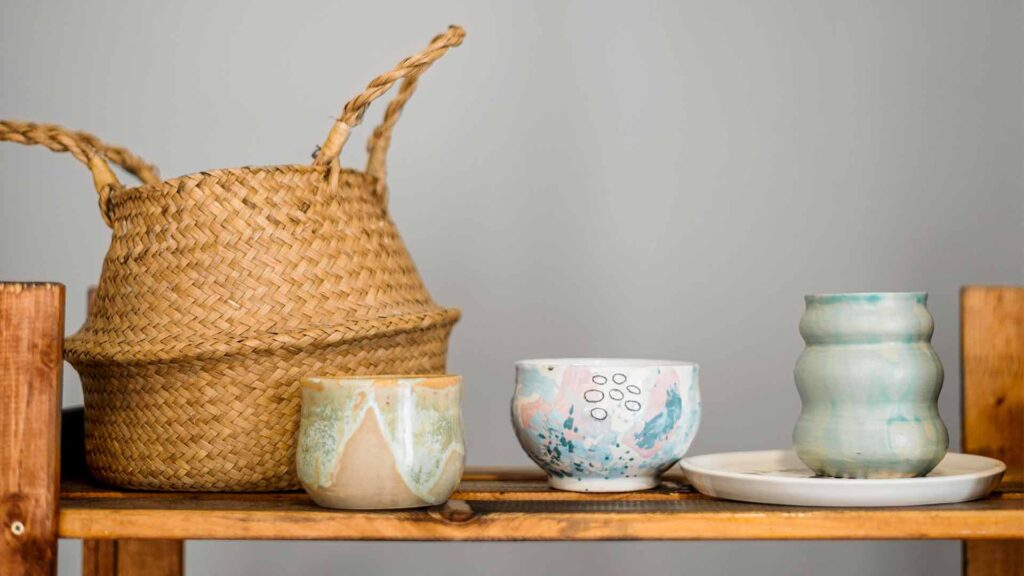
Proper cleaning and maintenance significantly extend the lifespan of rattan plant baskets while preserving their appearance and structural integrity. The natural materials and construction methods require specific care techniques that differ from those used for synthetic or metal containers.
Regular dusting should be performed using a soft brush or vacuum with a brush attachment to remove dust and debris from the weave. This prevents accumulation that can trap moisture and promote mold growth. Pay particular attention to crevices and undersides where dust tends to collect.
Spot cleaning addresses stains or spills promptly using a damp cloth with mild soap solution. Test cleaning solutions on inconspicuous areas first to ensure they won’t discolor the rattan. Avoid excessive moisture that can penetrate the weave and cause swelling or warping—always dry cleaned areas thoroughly with a clean cloth.
Deep cleaning periodically removes accumulated soil and residue. For thorough cleaning, remove plants and liners, then clean the basket using a soft brush and mild detergent solution. Rinse carefully with minimal water and dry completely—preferably in a well-ventilated area with good air circulation but protected from direct sunlight which can cause uneven drying.
Mold prevention is particularly important for baskets used in humid environments or for plants requiring frequent watering. A weak solution of vinegar and water (1:10 ratio) can be applied occasionally to inhibit mold growth without damaging the rattan. Ensure baskets dry completely between waterings to prevent fungal development.
Avoid harsh chemicals that can damage natural rattan fibers. This includes bleach, abrasive cleaners, and solvents. Similarly, avoid high-pressure water or steam cleaning methods that can force water into the weave and cause structural damage.
Regular maintenance should include inspections for loose weaving, unraveling, or damage that requires prompt repair to prevent further deterioration. Addressing issues early extends the basket’s service life and maintains its appearance.
Preventing Mold and Moisture Damage
Moisture management represents the most significant challenge in maintaining rattan plant baskets, as the natural material can be susceptible to mold and deterioration when consistently wet. Implementing preventive measures protects both the basket’s appearance and structural integrity.
Proper drainage is fundamental to moisture control. Use appropriate liners with drainage holes that allow excess water to escape while preventing soil from washing through the weave. Elevate baskets slightly from surfaces to promote air circulation underneath and prevent moisture accumulation.
Adequate air circulation around baskets discourages mold growth and promotes even drying. Avoid placing baskets in tightly enclosed spaces where air movement is restricted. In humid climates, consider using fans to improve air circulation around plant collections.
Controlled watering practices reduce moisture stress on baskets. Water plants thoroughly but infrequently rather than with frequent light applications that keep the basket consistently damp. Allow the soil surface to dry between waterings to reduce overall moisture exposure.
Moisture barriers protect baskets from direct contact with wet surfaces. Saucers, coasters, or protective mats placed under baskets capture runoff water and prevent it from being absorbed by the rattan from below.
Environmental monitoring helps identify conditions that promote mold growth. Use hygrometers to monitor humidity levels in areas where baskets are displayed, addressing excessive humidity through improved ventilation or dehumidification as needed.
Regular rotation of plants ensures even drying and prevents consistent moisture exposure on specific basket areas. This is particularly important for baskets receiving direct sunlight, which can create uneven drying patterns.
If mold does develop, address it promptly using appropriate cleaning methods. Small mold patches can be treated with vinegar solutions, while extensive mold growth may require professional cleaning or, in severe cases, replacement of affected components.
Storage Tips for Long-Term Use
Seasonal storage or extended periods of non-use require specific preparation to ensure rattan baskets maintain their condition when not actively displaying plants. Proper storage techniques prevent deterioration and extend the useful life of these valuable decorative items.
Thorough cleaning before storage removes soil, plant debris, and any organic matter that could attract pests or promote mold growth during storage. Allow baskets to dry completely before storing to prevent moisture-related damage.
Climate-appropriate storage location is crucial. Ideal conditions include moderate temperatures (60-75°F), controlled humidity (30-50%), and protection from direct sunlight. Avoid damp basements, hot attics, or areas with significant temperature fluctuations.
Proper positioning prevents deformation. Store baskets upright or supported to maintain their shape. Avoid stacking heavy objects on top of baskets, which can crush the weave and cause permanent damage.
Protective covering shields baskets from dust accumulation during storage. Use breathable materials such as cotton sheets or canvas rather than plastic, which can trap moisture and create conditions favorable to mold growth.
Pest prevention measures protect rattan from insect damage. Cedar blocks or appropriate natural repellents can discourage moths and other pests that might damage natural fibers. Inspect baskets periodically during extended storage for signs of pest activity.
Avoid compression of stored baskets, which can break down the weave structure and cause permanent deformation. If space constraints require stacking, use protective padding between baskets and limit stack height to prevent crushing.
Before bringing stored baskets back into active use, inspect them carefully for any damage that may have occurred during storage. Address any issues promptly before adding plants to prevent further deterioration.
Extending the Lifespan of Natural Rattan
With proper care and attention, high-quality rattan plant baskets can provide decades of service while maintaining their beauty and functionality. Implementing preventive measures and addressing issues promptly maximizes the return on investment in these premium decorative items.
Protective treatments can enhance rattan’s natural resistance to moisture and UV damage. Commercial sealants designed for natural materials can be applied periodically to baskets, particularly those used outdoors or in humid environments. These treatments create protective barriers without significantly altering the natural appearance.
Sunlight management prevents UV degradation and uneven fading. Rotate baskets periodically to ensure even exposure, and use UV-filtering window treatments in areas with intense direct sunlight. For outdoor applications, consider seasonal repositioning to balance exposure and protection.
Weight distribution affects long-term durability. Avoid overloading baskets with excessive soil weight, particularly when plants reach mature sizes. Repot to appropriately sized containers as plants grow to maintain the proper ratio of basket capacity to plant size.
Professional restoration can address significant wear or damage while preserving the basket’s character. Skilled craftsmen can repair damaged weaving, replace deteriorated sections, and refinish surfaces to restore appearance while maintaining authenticity.
Documentation of care history helps identify effective maintenance routines and emerging issues. Keep simple records of cleaning schedules, treatments applied, and any repairs performed to build a comprehensive maintenance history that informs future care decisions.
Appreciation of natural aging rather than fighting inevitable changes enhances enjoyment of rattan baskets over time. The gradual development of patina and subtle color shifts add character that distinguishes well-loved baskets from newer pieces.
The long-term value of quality rattan baskets extends beyond their functional purpose to become family heirlooms or design investments that appreciate in character and appeal through years of careful stewardship.
Why Choose a Professional Rattan Plant Basket Manufacturer
Advantages of Factory-Direct Sourcing
Working directly with professional rattan basket manufacturers rather than through intermediaries offers significant advantages in terms of product quality, customization options, and overall value. Factory-direct relationships eliminate middleman markups while providing direct access to manufacturing expertise and capabilities.
Quality control starts at the source when working directly with manufacturers. Professional facilities implement rigorous inspection protocols throughout the production process, from raw material selection to final finishing. This direct oversight ensures consistent quality that may be compromised through multi-layered supply chains.
Transparency in materials allows buyers to understand exactly what they’re purchasing. Professional manufacturers can provide detailed information about rattan sources, treatments applied, and construction methods, enabling informed decisions based on specific requirements and values.
Customization capabilities are typically greatest when working directly with the source. Professional manufacturers can modify designs, adjust sizing, or create entirely new configurations to meet specific customer needs. This flexibility enables truly customized solutions rather than limited product selections.
Pricing advantages result from eliminating distributor margins. Factory-direct pricing provides access to wholesale prices even for smaller quantities, improving profitability for retailers or value for individual consumers purchasing premium products.
Production insight helps customers understand lead times, seasonal considerations, and planning requirements. Direct communication with manufacturers facilitates accurate forecasting and strategic purchasing decisions.
Supply chain reliability improves when working directly with the production source. Professional manufacturers can provide more accurate delivery estimates, communicate potential delays proactively, and offer contingency planning for critical orders.
The relationship developed with a professional manufacturer extends beyond individual transactions to become a strategic partnership that enhances overall business operations or personal purchasing strategies.
Custom Rattan Plant Basket Solutions for Brands
For businesses building distinctive product lines or retail brands, partnering with professional manufacturers capable of custom solutions provides competitive advantages in marketplace differentiation and customer satisfaction. Custom basket designs can reinforce brand identity while meeting specific functional requirements.
Branded designs incorporate distinctive elements that make products immediately recognizable. Custom weaving patterns, unique handle designs, or signature construction methods create visual identities that consumers associate with particular brands. These design elements become valuable intellectual property that differentiates products from competitors.
Size and dimension customization addresses specific product line requirements or display needs. Manufacturers can produce baskets in non-standard sizes that optimize space utilization or accommodate particular plant varieties, creating more coherent product offerings.
Material specification control ensures consistent quality across product lines. Professional manufacturers can source rattan with specific characteristics—color consistency, fiber strength, grain patterns—that align with brand standards and customer expectations.
Packaging and presentation customization enhances the complete product experience. Custom packaging solutions protect baskets during transit while reinforcing brand identity through thoughtful unboxing experiences.
Limited edition and seasonal collections become feasible when working with flexible manufacturers. These exclusive offerings create excitement and urgency in the marketplace while demonstrating design leadership and innovation.
Compliance and certification requirements are more readily addressed through direct manufacturer partnerships. Professional facilities can ensure products meet relevant safety standards, material regulations, and certification requirements for specific markets.
The investment in custom solutions yields returns through enhanced brand recognition, customer loyalty, and market positioning that justifies the development costs through long-term competitive advantages.
Quality Control and Material Selection
Professional rattan basket manufacturers implement comprehensive quality systems that ensure consistent product quality and reliability. These systems address every aspect of production from raw material sourcing through final finishing, creating products that meet exacting standards.
Raw material inspection represents the first critical quality control point. Professional manufacturers carefully evaluate rattan canes for maturity, straightness, absence of defects, and appropriate moisture content before they enter production. Only materials meeting strict specifications proceed to manufacturing.
Craftsmanship standards are established and maintained through training, supervision, and quality inspections. Skilled artisans understand the technical requirements for various weaving patterns and construction methods, ensuring that structural integrity isn’t compromised for speed or efficiency.
Dimensional accuracy is verified throughout production using precision measuring tools. Consistent sizing ensures that products meet specifications and function as intended, particularly important for baskets that must accommodate specific pot sizes or fit into display systems.
Structural integrity testing evaluates load-bearing capacity and resistance to stress. Professional manufacturers may conduct weight testing, stress testing, or accelerated aging simulations to identify potential weaknesses before products reach customers.
Finishing quality significantly affects both appearance and durability. Smooth finishes, consistent coloration, and proper protective treatments enhance performance while creating premium aesthetic appeal. Professional facilities have the equipment and expertise to apply these finishes consistently.
Consistency across production runs is particularly important for retail brands that need uniform product appearance over time. Professional manufacturers maintain detailed records of production parameters to replicate successful results across different production cycles.
Documentation and traceability of quality measures provides accountability and enables continuous improvement. Professional manufacturers maintain records of inspections, test results, and production parameters that inform quality enhancement initiatives.
The comprehensive approach to quality control implemented by professional manufacturers delivers products that meet customer expectations for performance, appearance, and value.
Wholesale and Bulk Order Benefits
For businesses requiring significant quantities of rattan plant baskets, establishing relationships with professional manufacturers offering wholesale pricing and bulk order capabilities provides substantial economic and operational advantages.
Volume pricing reduces per-unit costs significantly, improving profit margins for retailers or reducing costs for large projects. Professional manufacturers typically offer tiered pricing structures with greater discounts for larger orders, incentivizing efficient ordering practices.
Production scheduling prioritization ensures that large orders receive appropriate manufacturing resources and timeline commitments. Professional facilities allocate capacity based on order size and strategic importance, providing reliable delivery dates for bulk purchases.
Consolidated shipping reduces transportation costs and complexity. Bulk orders can be shipped in full containers or efficient logistics configurations that minimize per-unit shipping expenses while reducing carbon footprint through transportation efficiency.
Inventory management support helps businesses optimize stock levels and reorder timing. Professional manufacturers can provide guidance on seasonal demand patterns, optimal order quantities, and lead time planning to improve inventory turnover and reduce carrying costs.
Customized packaging for bulk orders enhances protection while reducing packaging waste. Manufacturers can design efficient packaging solutions that protect products during transit while minimizing environmental impact and disposal costs.
Flexible payment terms improve cash flow management for businesses purchasing large quantities. Professional manufacturers may offer extended payment terms or progress billing options that accommodate business financial cycles.
Exclusive product access may be available for significant volume commitments. Businesses placing large orders might gain access to new designs, special configurations, or limited editions before general release.
The cumulative effect of these wholesale benefits provides substantial competitive advantages for businesses operating in the retail, hospitality, or design sectors where rattan baskets represent significant product categories.
Common Mistakes to Avoid When Buying a Rattan Plant Basket

Choosing the Wrong Size for Your Plant
One of the most frequent errors in selecting rattan plant baskets is choosing inappropriate dimensions relative to plant size and growth potential. This mistake affects both plant health and aesthetic appeal, often necessitating premature replacement of either the basket or the plant.
Undersized baskets constrain root growth, leading to stunted development, reduced flowering, and overall plant decline. When roots become pot-bound, they can’t access adequate nutrients or water, creating stress that manifests as yellowing leaves, wilting, or susceptibility to pests and disease. The constrained environment also prevents proper soil aeration, further compromising plant health.
Oversized baskets create different problems. Excessive soil relative to root mass holds water too long, promoting root rot and fungal issues. The disproportionate scale also looks aesthetically unpleasing, making the plant appear small or the container overwhelming. Large baskets with small plants also waste soil and increase unnecessary weight.
Ignoring growth potential leads to frequent repotting as plants quickly outgrow their containers. Selecting baskets that accommodate 2-3 years of anticipated growth reduces disruption to plants and minimizes ongoing replacement costs. Researching mature plant size before purchase prevents this common oversight.
Incompatible drainage characteristics result from mismatched basket and plant requirements. Plants requiring well-drained conditions may suffer in baskets with inadequate drainage, while moisture-loving plants may desiccate in baskets with excessive drainage. Understanding specific plant requirements prevents these compatibility issues.
The solution involves careful consideration of both current plant size and expected growth patterns, along with research into specific plant needs for soil volume, drainage, and aeration. Taking measurements of existing containers and researching mature plant dimensions before purchasing ensures appropriate sizing decisions.
Ignoring Moisture Protection Features
Failing to consider moisture management when selecting rattan baskets leads to premature deterioration of the basket and potential damage to surrounding surfaces. This oversight can significantly reduce both the functional lifespan and aesthetic appeal of the container.
Water damage to rattan occurs when water consistently penetrates the weave, causing swelling, warping, and eventual structural failure. Repeated wet-dry cycles stress the natural fibers, leading to cracking and unraveling. Once structural integrity is compromised, the basket can no longer safely support plants.
Surface damage beneath baskets results from water escaping through the weave and pooling on floors, furniture, or countertops. This can cause staining, warping, or mold growth on adjacent surfaces, creating expensive secondary damage that exceeds the value of the basket itself.
Mold and mildew development in consistently damp rattan creates unsightly staining and unpleasant odors while potentially triggering allergic reactions. Once established in the weave, mold can be difficult to eradicate completely and may necessitate basket replacement.
Structural weakening occurs when water softens the natural fibers, reducing their strength and load-bearing capacity. This creates safety concerns, particularly for large plants where basket failure could result in damage to both the plant and surrounding area.
Solutions include selecting baskets with appropriate liners, using saucers or trays beneath baskets, and ensuring adequate drainage that prevents water accumulation. For outdoor applications, choosing baskets designed specifically for exterior use with enhanced weather resistance provides additional protection.
The small additional cost of moisture protection features pays dividends in extended basket lifespan and prevented damage to surroundings, representing wise investment rather than unnecessary expense.
Overlooking Quality and Craftsmanship
Focusing primarily on price without adequate attention to quality and craftsmanship leads to disappointing purchases that fail to meet expectations for durability, appearance, or performance. The saying “you get what you pay for” is particularly relevant in rattan basket selection.
Inferior rattan quality manifests in inconsistent fiber density, excessive knots or irregularities, and poor structural integrity. These characteristics weaken the basket and lead to premature failure under the stress of supporting plants and soil. Low-quality rattan also tends to degrade more quickly when exposed to moisture or sunlight.
Poor construction techniques result in baskets that unravel, warp, or deform under normal use. Loose weaving, inadequate joint connections, and insufficient reinforcement at stress points all contribute to early failure. These defects may not be immediately apparent but become obvious as the basket is used.
Inconsistent sizing and dimensions create problems when trying to match baskets with specific pots or fit into designated spaces. Manufacturing tolerances vary significantly between producers, with premium manufacturers maintaining much tighter specifications.
Substandard finishing leaves rough edges, splinters, or uneven surfaces that detract from appearance and may cause injury. Poor finishing also often indicates inadequate surface treatments that reduce the basket’s resistance to moisture and UV damage.
Documentation and labeling from reputable manufacturers provides information about materials, care instructions, and performance expectations. Lack of this information often indicates products that haven’t undergone proper quality control or testing.
The solution involves careful inspection of baskets before purchase, examination of weave quality and consistency, checking for smooth finishing and solid construction, and seeking products from reputable manufacturers who stand behind their quality with warranties or guarantees.
Not Considering Long-Term Durability
Focusing on immediate appeal without considering how rattan baskets will perform and age over time leads to disappointing long-term outcomes and premature replacement needs. Quality rattan baskets represent investments that should provide years of service when properly selected and maintained.
Material degradation occurs differently depending on rattan quality and treatments. Lower-quality rattan may become brittle, crack, or lose structural integrity relatively quickly, especially when exposed to environmental stressors. Premium rattan with appropriate treatments maintains its properties much longer.
Weave stability affects long-term appearance and function. Tightly woven baskets with proper construction maintain their shape and structure, while loosely woven examples may sag, deform, or unravel as they age, particularly when supporting substantial weight.
Color fastness determines how baskets will look over time. Natural rattan develops an attractive patina when properly cared for, but poor-quality materials or inappropriate dyes may fade unevenly or discolor unattractively.
Structural reinforcement at stress points prevents failure over time. Baskets with reinforced rims, handle attachments, and base construction resist the stresses of repeated use and plant weight much better than designs lacking these features.
Repairability becomes important as baskets age. Well-constructed baskets can often be repaired if minor damage occurs, extending their useful life. Poorly constructed examples typically cannot be effectively repaired once problems develop.
Warranty and support from manufacturers indicate confidence in product longevity. Professional manufacturers stand behind their products with appropriate warranties and support services, providing recourse if issues develop.
The solution involves evaluating baskets not just for immediate appeal but for how they will function years into the future. This longer perspective justifies investment in higher quality products that provide superior value over their extended lifespan.
How to Source High-Quality Rattan Plant Baskets for Your Business
Finding Reliable Suppliers and Manufacturers
Identifying and vetting reliable rattan basket suppliers represents a critical step in building successful product lines or sourcing inventory for retail operations. The quality of supplier relationships directly impacts product quality, reliability, and overall business performance.
Trade shows and industry events provide opportunities to meet multiple suppliers in one location, examine products firsthand, and establish initial relationships. These events allow for direct comparison of quality, pricing, and capabilities across different manufacturers.
Online directories and B2B platforms expand search capabilities beyond geographic limitations. These resources provide access to global suppliers, though verification of supplier credentials and quality becomes more important when conducting business remotely.
Industry associations and trade organizations offer vetted supplier lists and referrals to reputable manufacturers. Membership in these organizations often indicates commitment to industry standards and business ethics.
Referrals from established businesses provide trusted recommendations based on actual supplier performance. Networking with other retailers, interior designers, or hospitality businesses can yield valuable supplier insights and warnings about problematic companies.
Direct factory visits offer the most comprehensive understanding of supplier capabilities, quality control processes, and working conditions. While costly and time-consuming, these visits provide assurance that cannot be obtained through other means.
Background research should include verification of business registration, longevity in the industry, financial stability, and any certifications or memberships that indicate professionalism and quality commitment.
Initial test orders allow businesses to evaluate product quality, communication, reliability, and service before committing to larger relationships. These trial purchases reveal practical aspects of working with suppliers that aren’t apparent from marketing materials or initial communications.
The supplier selection process should balance quality, price, reliability, and alignment with business values and requirements to create partnerships that support long-term success.
Evaluating Product Samples and Craftsmanship
Careful evaluation of product samples before committing to larger orders prevents costly mistakes and ensures that received products meet expectations for quality and appearance. This assessment requires systematic examination of multiple quality dimensions.
Material quality assessment begins with examining the rattan itself. Look for consistent fiber density, absence of excessive knots or irregularities, and appropriate moisture content. The rattan should feel substantial and sturdy rather than flimsy or brittle.
Weave quality evaluation involves examining both the tightness and consistency of the weaving pattern. High-quality baskets feature uniform tension throughout the weave with no loose or uneven areas. The pattern should be consistent across the entire basket surface.
Structural integrity testing includes checking critical stress points—handle attachments, rim reinforcement, and base construction. These areas should show evidence of additional strengthening and solid attachment. Gently stress test these areas to verify they can withstand normal use.
Dimensional accuracy verification involves precise measurement of sample baskets to ensure they meet specified dimensions. Compare measurements across multiple samples to assess consistency. Check that internal dimensions appropriately accommodate intended pot sizes.
Finish quality inspection examines both appearance and functionality. Surfaces should be smooth with no sharp edges or splinters. Coloration should be consistent unless natural variation is intentional. Any applied treatments should be evenly distributed without drips or unevenness.
Durability simulation can be performed by subjecting samples to conditions that mimic actual use—supporting appropriate weight, exposure to moisture, or exposure to light. These tests reveal potential issues before products reach customers.
Documentation review should include examination of any product information provided by suppliers, including care instructions, material specifications, and performance claims. This documentation should be professional, accurate, and consistent with observed product characteristics.
Documenting evaluation results with photos and detailed notes facilitates comparison across different suppliers and provides reference points for quality expectations in future orders.
Understanding Pricing and MOQ Requirements
Navigating pricing structures and minimum order quantity (MOQ) requirements is essential for developing sourcing strategies that balance cost efficiency with inventory management and cash flow considerations.
Tiered pricing structures are common, with per-unit costs decreasing as order quantities increase. Understanding these tiers helps optimize order quantities to achieve target costs while avoiding excessive inventory. Compare pricing across multiple suppliers to ensure competitive rates.
MOQ implications vary significantly between suppliers. Some manufacturers accommodate small trial orders, while others require substantial minimum commitments. Understanding these requirements helps match supplier capabilities with business scale and purchasing patterns.
Volume discount thresholds should be analyzed to identify strategic ordering opportunities. Sometimes increasing order size slightly to reach the next discount tier provides significant cost savings that justify the additional inventory investment.
Payment terms affect cash flow and overall costs. Suppliers may offer discounts for early payment or extended terms for established relationships. These terms can be negotiated based on order volume, relationship length, and payment history.
Shipping cost considerations often represent significant components of total cost. Analyze shipping costs per unit at different order volumes to identify optimal ordering quantities that minimize per-unit shipping expense.
Currency and exchange rate factors become relevant for international suppliers. Fluctuations in exchange rates can significantly impact actual costs, requiring strategies for managing currency risk through forward contracts or other hedging mechanisms.
Value-added services such as customization, special packaging, or branding may have additional costs but can enhance product value or market positioning. These services should be evaluated based on their return on investment rather than just their additional cost.
Developing detailed cost models that incorporate all these factors enables informed decision-making about supplier selection and ordering strategies.
Logistics and International Shipping Considerations
For businesses sourcing rattan baskets internationally, understanding logistics and shipping requirements prevents costly delays, damages, and customs complications that can disrupt operations and disappoint customers.
Shipping method selection involves balancing cost, transit time, and reliability. Options range from economical sea freight for large orders to expedited air freight for urgent needs. Consider product value, inventory requirements, and customer expectations when choosing shipping methods.
Packaging requirements significantly affect product condition upon arrival. Professional suppliers should provide appropriate packaging that protects rattan baskets during transit, particularly important for natural materials susceptible to damage from moisture, crushing, or improper handling.
Customs compliance is essential for international shipments. Proper documentation including commercial invoices, certificates of origin, and any required import permits must be accurate and complete to prevent customs delays or seizures.
Import duties and taxes represent significant cost components that must be factored into pricing models. Research applicable tariffs for specific product categories and country of origin to calculate landed costs accurately.
Quality inspection upon arrival should be standard procedure to identify any damage or discrepancies promptly. Document any issues thoroughly with photos and detailed descriptions to support claims with suppliers or shipping companies.
Insurance coverage protects against loss or damage during transit. Understand carrier liability limitations and consider additional insurance for high-value shipments. Proper documentation of product values facilitates claims processing if needed.
Warehouse and distribution planning should account for potential delays in international shipping. Maintaining appropriate safety stock levels prevents stockouts while awaiting shipments from distant suppliers.
Sustainability considerations in logistics include evaluating shipping methods for environmental impact. Consolidated shipments, efficient routing, and appropriate packaging reduce the carbon footprint associated with international sourcing.
Developing comprehensive logistics strategies that address these considerations ensures reliable product supply while managing costs and maintaining product quality.
Conclusion
Choosing the right rattan plant basket involves more than selecting an attractive container—it requires understanding of materials, construction methods, and how different options will perform over time in specific environments and applications. The perfect rattan basket balances aesthetic appeal with practical functionality, immediate beauty with long-term durability, and individual expression with universal quality standards.
For manufacturers and suppliers, success in this market demands commitment to quality materials, skilled craftsmanship, and responsive customer service. Each basket represents not just a product but a fusion of natural material properties, traditional crafting techniques, and contemporary design sensibilities. This combination of elements creates value that extends beyond simple functionality to enhance living spaces and support healthy plant growth.
The informed buyer—whether individual consumer or business purchaser—benefits from understanding the factors that differentiate premium rattan baskets from inferior alternatives. This knowledge enables selection decisions that provide satisfaction for years rather than disappointment after months, transforming what might seem like a simple purchase into a thoughtful investment in quality and sustainability.
As rattan plant baskets continue gaining popularity across diverse market segments and geographic regions, the relationship between discerning buyers and quality manufacturers becomes increasingly important. This partnership of mutual respect and shared commitment to excellence ensures that rattan baskets will continue providing beauty, functionality, and connection to natural materials for generations to come.
Whether selecting a single basket for a cherished houseplant or sourcing containers for an entire product line, the principles outlined in this guide provide a framework for making decisions that balance practical requirements with aesthetic preferences, immediate needs with long-term considerations, and budget constraints with quality expectations. In this balance lies the secret to finding the perfect rattan plant basket for any home or busine
FAQ
1. What is a rattan plant basket used for?
A rattan plant basket is mainly used to hold indoor or outdoor plants while adding a natural decorative touch to living spaces.
2. Are rattan plant baskets suitable for indoor plants?
Yes, they are ideal for indoor use because they are lightweight, breathable, and match a wide range of home decor styles.
3. Do I need a liner for a rattan plant basket?
Using a liner is recommended to prevent water leakage and protect the basket from moisture damage.
4. How do I choose the right size rattan plant basket?
Select a size slightly larger than your plant pot to ensure proper fit and allow room for growth and airflow.
5. Are rattan plant baskets durable for long-term use?
High-quality baskets made from natural rattan are durable and can last for years with proper care and maintenance.
Word-of-mouth product collection
It covers a wide range of high-quality products, combining innovative design with practical performance, meeting the needs of various scenarios and gaining wide recognition from users.
Latest post
Contact Info
Shangshihe Village, Yushan Town, Linshu County, Shandong Province
Ingenious work, quality presentation
It brings together a series of core products, presenting a panoramic view from design details to functional advantages, intuitively presenting quality and innovation.
What is the wood material and environmental friendliness of wooden boxes?
Made of FSC certified ash wood and finished with natural wood wax oil, it complies with EU environmental standards.
How to prevent moth damage and cracking through daily maintenance?
Wipe it with a dry cloth every month to avoid moisture. You can apply a small amount of beeswax to maintain the wood surface.
Monthly production capacity and delivery time for large orders?
With a monthly output of 30,000 pieces and a 6,000-square-meter base, we have sufficient materials and large orders can be delivered in batches.
What packaging is used for international shipping? Is it moisture-proof?
Waterproof kraft paper + foam corner protectors, with silica gel desiccant, suitable for sea/air transportation.
Can it be adapted to different home styles such as minimalist and retro?
Supports color change (original wood / white paint) and pattern adjustment to match a variety of scenes.
Are manual differences considered quality issues?
These are normal traces of craftsmanship. Each piece retains its uniqueness and is qualified as long as it does not affect its use.