
Single News
Why Braided Rattan Baskets Are the Best Eco-Friendly Storage Solution

Table of Contents
What Is a Braided Rattan Basket?

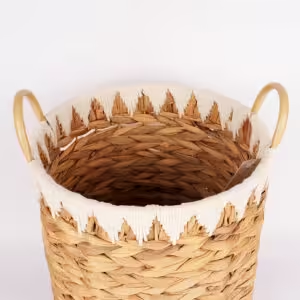
A braided rattan basket is a handcrafted storage solution made from the stems of the rattan palm, a climbing vine that grows primarily in tropical regions of Southeast Asia. Unlike ordinary wicker or bamboo baskets, braided rattan baskets feature an intricate interwoven construction where flexible rattan strips are systematically braided together, creating a distinctive wave-like pattern that combines remarkable strength with visual sophistication.
The key difference between rattan, wicker, and bamboo lies in their material composition and structural properties. Rattan is a naturally flexible vine that can be woven without breaking, making it ideal for braiding techniques. Wicker refers to the weaving technique itself and can be made from various materials including rattan, willow, or even synthetic fibers. Bamboo, on the other hand, is a rigid grass that lacks the inherent flexibility needed for true braiding, making it better suited for straight-line construction rather than the intricate patterns characteristic of braided rattan baskets.
The braided structure significantly enhances both durability and flexibility. By intertwining multiple rattan strands, the basket gains exceptional load-bearing capacity—many braided rattan baskets can withstand up to 40 pounds of weight while remaining lightweight enough to carry easily. This structural integrity comes from the way braiding distributes weight evenly across the woven matrix, preventing individual fibers from bearing excessive stress. The flexibility inherent in the braiding technique also allows these baskets to absorb impact without cracking or splitting, giving them superior longevity compared to mass-produced synthetic alternatives.
From a manufacturing perspective, natural rattan baskets and handmade rattan baskets represent the pinnacle of traditional craftsmanship. Each piece exhibits unique variations in color and texture that tell the story of its creation, making every braided rattan basket a one-of-a-kind functional artwork.
Why Eco-Friendly Storage Solutions Matter Today
The global shift toward sustainable living has created unprecedented demand for eco-friendly storage solutions across residential and commercial markets. As environmental awareness grows, consumers increasingly reject plastic storage bins that contribute to landfill waste and choose biodegradable baskets made from renewable materials. This movement isn’t just about aesthetics—it’s a fundamental rethinking of how we interact with the products we use daily.
The environmental impact of plastic storage alternatives extends far beyond their visible presence in our homes. Plastic storage bins are typically manufactured from petroleum-based materials, generating significant carbon emissions during production. Worse yet, when these bins eventually break or become obsolete, they persist in landfills for hundreds of years, breaking down into microplastics that contaminate soil and water systems. In contrast, sustainable storage baskets made from natural materials like rattan follow a circular lifecycle: they begin as renewable resources, serve their purpose for decades, and eventually biodegrade harmlessly back into the earth.
Consumer preferences have shifted dramatically toward natural and biodegradable materials in recent years. Market research shows that over 70% of homeowners now consider sustainability a primary factor when selecting home organization products. This preference extends beyond environmental concerns—consumers increasingly recognize that natural materials often deliver superior performance. Breathable storage baskets prevent moisture buildup that plagues plastic containers, while the inherent strength of materials like rattan provides durability that synthetic alternatives can’t match without relying on chemical additives or reinforcing structures.
For businesses, embracing eco-friendly storage solutions represents both an environmental commitment and a competitive advantage. Retailers offering sustainable storage baskets and biodegradable baskets position themselves as responsible brands aligned with consumer values, building customer loyalty while contributing to broader sustainability goals. This alignment between commerce and conservation creates a powerful market force driving innovation across the home storage industry.
Key Benefits of Braided Rattan Baskets

The exceptional qualities of braided rattan baskets stem from the unique properties of natural rattan combined with advanced braiding techniques. These benefits create a compelling case for choosing rattan over conventional storage alternatives.
Lightweight Yet Strong Structure
Despite their impressive durability, braided rattan baskets remain remarkably lightweight—typically weighing between 3-5 pounds depending on size. This optimal balance makes them easy to move around the home while maintaining structural integrity. The braiding process enhances strength by distributing forces evenly across the woven network rather than concentrating stress at connection points. As a result, durable rattan baskets can handle substantial loads without the weight penalty that typically accompanies robust storage solutions.
Breathability and Moisture Resistance
One of the most valuable properties of breathable storage baskets made from rattan is their natural ventilation. The woven structure allows constant air circulation, preventing moisture accumulation that can lead to mold, mildew, or unpleasant odors. This makes rattan baskets particularly suitable for storing items that require airflow, such as fresh produce in kitchen pantries, linens in bedrooms, or towels in bathrooms. The material itself possesses natural moisture-resistant properties, further protecting stored contents from humidity damage.
Long Lifespan Compared to Synthetic Storage Bins
While plastic storage bins may crack or fade after just a few years of use, properly maintained braided rattan baskets can last for decades. The material doesn’t degrade from UV exposure like synthetic alternatives, and its flexibility means it can withstand minor impacts that might shatter rigid plastic containers. This longevity translates to better value over time—investing in quality rattan storage baskets eliminates the need for frequent replacements, reducing both cost and environmental impact.
Timeless Aesthetic for Home Decor
Beyond their functional advantages, decorative rattan baskets serve as genuine design elements that enhance interior aesthetics. The warm, natural tones of rattan complement virtually any decorating style—from bohemian and farmhouse to coastal and contemporary design schemes. The intricate braiding patterns add visual texture and depth, turning storage solutions into conversation pieces. Unlike plastic bins that demand concealment, rattan baskets are proudly displayed, combining organization with decoration in a single elegant package.
These diverse benefits explain why braided rattan baskets have become preferred storage solutions for interior designers, home organizers, and environmentally conscious homeowners seeking products that perform beautifully while aligning with sustainable values.
Common Uses of Braided Rattan Baskets in Modern Homes
The versatility of braided rattan baskets makes them invaluable across multiple rooms and applications throughout modern homes. Their adaptability stems from combining practical functionality with aesthetic appeal, allowing these storage baskets to serve seamlessly in diverse environments.
Living Room Storage
In living spaces, rattan storage baskets excel at organizing items while maintaining visual harmony with decor. Large baskets with lids provide discreet storage for blankets, throws, and pillows, keeping these cozy essentials accessible yet tidy when not in use. Open baskets displayed on shelves or beside seating areas offer convenient homes for magazines, remote controls, and entertainment accessories. The natural warmth of rattan creates inviting texture that enhances living room ambiance while solving common clutter challenges.
Laundry and Clothing Organization
Braided rattan baskets make excellent laundry hampers, combining functionality with style that elevates even the most mundane household task. Their breathable construction prevents moisture buildup in dirty clothes, while sturdy handles facilitate easy transport to laundry areas. Beyond hamper use, these baskets organize clothing in closets—smaller versions perfect for socks, accessories, or folded items. Larger rattan laundry baskets with lids serve as stylish storage for seasonal clothing, keeping garments protected from dust while complementing bedroom or closet design.
Kitchen and Pantry Storage
The kitchen represents another ideal application for woven storage baskets, particularly where freshness matters. Braided rattan baskets’ ventilation properties make them perfect for storing fruits, vegetables, and baked goods, as air circulation helps produce remain fresh longer than in sealed containers. In pantries, rattan bins organize dry goods, snacks, and cooking supplies while adding natural texture to food storage areas. Their lightweight construction allows easy movement between counters, tables, and storage spaces as needed during meal preparation.
Plant Holders and Decorative Uses
Beyond pure storage, braided rattan baskets serve as elegant plant holders that complement greenery while containing soil and preventing water damage to surfaces. Their natural aesthetic creates harmonious pairings with indoor plants, and the breathable construction benefits root systems by allowing air exchange. Decoratively, rattan baskets serve as catch-alls for entryways, bedside organizers, or even wall-mounted displays that transform simple organization into artistic arrangement.
The multi-room versatility of rattan storage baskets and braided rattan baskets makes them particularly valuable for smaller homes where storage solutions must maximize functionality while minimizing visual clutter. Their ability to serve seamlessly across different applications explains their enduring popularity in diverse residential settings.
Braided Rattan Basket vs Other Storage Materials

Choosing the right storage material requires understanding how different options compare across key performance factors. The following analysis examines how rattan baskets measure against common alternatives:
| Material | Durability | Breathability | Aesthetic Appeal | Environmental Impact | Maintenance |
|---|---|---|---|---|---|
| Rattan | Excellent (10+ years) | High natural ventilation | Warm, natural texture | Renewable, biodegradable | Low dusting, occasional wiping |
| Plastic | Moderate (3-5 years) | No natural airflow | Synthetic appearance | Petroleum-based, persistent waste | Easy cleaning, but prone to cracking |
| Fabric | Fair (5-7 years) | Good, depends on weave | Soft, varied styles | Variable, often synthetic | Machine washable but stains easily |
| Metal | Excellent (15+ years) | None unless perforated | Industrial, modern | High energy production impact | Rust prevention needed |
Rattan vs Plastic Storage Bins
The comparison between rattan vs plastic storage reveals fundamental differences that make rattan superior for most home applications. Plastic bins offer easy cleaning but trap moisture, leading to musty odors in stored items. They lack breathability, making them unsuitable for organic materials or textiles. Aesthetically, plastic containers look utilitarian and typically require concealment, whereas rattan baskets enhance decor. Most importantly, plastic bins contribute to long-term environmental pollution, while rattan represents natural vs synthetic baskets choice that supports sustainable practices.
Rattan vs Fabric Storage Baskets
Fabric baskets provide soft texture and color options but lack the structural integrity of rattan. They may collapse under heavy loads and can stain or absorb spills permanently. While breathable, fabric containers don’t maintain shape as reliably as rigid woven construction. Rattan offers superior durability while providing similar aesthetic warmth, making it a longer-lasting investment despite typically higher initial cost.
Rattan vs Metal Storage Containers
Metal containers excel in durability and pest resistance but introduce issues with moisture accumulation and potential rust. Their industrial aesthetic limits integration with residential design schemes, and they’re significantly heavier than natural alternatives. While metal lasts longer than rattan in ideal conditions, it lacks the same environmental credentials—metal production requires substantial energy input, and recycling remains imperfect. For most home applications, rattan provides better balance of durability, aesthetics, and sustainability.
This comparative analysis demonstrates why braided rattan baskets consistently emerge as preferred choices when consumers weigh functional performance against environmental impact and aesthetic considerations. The advantages become particularly pronounced when evaluating long-term value rather than initial cost alone.
How Braided Rattan Baskets Are Made (Manufacturer Insight)
The creation of handmade braided rattan baskets represents a fascinating intersection of traditional craftsmanship and modern quality control. Understanding the manufacturing process reveals why these storage solutions deliver such exceptional quality and justifies their value compared to mass-produced alternatives.
Raw Material Selection
The journey begins with sourcing natural rattan from sustainable forests, primarily in Southeast Asia where the climbing palm thrives in tropical conditions. Experienced harvesters select mature rattan canes that have developed optimal flexibility and strength—typically 3-7 years of growth ensures the best balance between workability and durability. The harvested rattan undergoes careful processing including drying, stripping, and sorting by diameter and quality grade. Premium manufacturers maintain strict sustainability certifications, ensuring harvesting doesn’t exceed regeneration rates and supporting the ecosystems where rattan grows naturally.
Hand-Braiding and Weaving Process
Skilled artisans transform prepared rattan strips into braided baskets using techniques passed down through generations. The process begins by creating the basket’s foundation—typically a circular or oval base woven from thicker rattan rods for structural support. Then the braiding begins: artisans systematically interweave thinner rattan strands in wave-like patterns, building up the walls row by row. This braiding method differs from simple wicker weaving by its complexity—multiple strands cross simultaneously, creating the distinctive pattern that gives these baskets their superior strength and visual appeal. The process requires significant skill and experience, as tension must be maintained uniformly throughout to create even, durable construction.
For manufacturers specializing in handmade braided rattan baskets, this manual process represents both a challenge and opportunity. While slower than mechanized production, it creates employment opportunities for skilled artisans and produces baskets with superior quality and character. Each basket bears subtle variations that testify to its handcrafted origin, making every piece unique.
Quality Control Standards
Professional rattan basket manufacturing implements rigorous quality control throughout production. Inspectors check raw materials for defects, monitor weaving consistency, and test finished baskets for structural integrity. Key quality metrics include checking weave tightness, handle strength, and overall symmetry. Baskets undergo load testing to verify weight capacity specifications—typically 30-40 pounds for standard sizes. Surface finish inspection ensures no sharp edges or loose fibers could cause splinters or snag stored items. Premium manufacturers often exceed industry standards for these quality metrics, recognizing that consistency builds customer trust and supports premium positioning.
Finishing and Durability Testing
After weaving, baskets receive finishing treatments that enhance both appearance and longevity. Many manufacturers apply natural oils or clear lacquer finishes that protect against moisture while highlighting rattan’s natural grain patterns. These treatments are carefully selected to maintain environmental credentials—avoiding harsh chemicals in favor of food-safe, low-VOC options. Final products undergo durability testing simulating years of use, including stress testing handles, resistance to humidity, and UV stability verification.
This comprehensive approach to rattan basket manufacturing ensures that each basket delivers reliable performance while maintaining the authentic character that makes handcrafted products special. For businesses seeking wholesale rattan baskets or custom manufacturing partnerships, understanding these production details helps identify suppliers who prioritize quality over shortcuts.
Custom Braided Rattan Basket Options for Different Needs
One of the significant advantages of working directly with braided rattan basket manufacturers is the extensive customization available to meet specific requirements. Unlike off-the-shelf products that force compromises, custom rattan baskets can be tailored precisely to intended applications and brand specifications.
Size, Shape, and Design Customization
Manufacturing capabilities now span an impressive range of sizes—from small catch-all baskets measuring just 8 inches in diameter to large storage pieces exceeding 24 inches in width. Height varies similarly, with shallow serving baskets around 4 inches tall and deep storage bins reaching 18 inches or more. Beyond standard dimensions, custom shapes are readily achievable, including rectangular, oval, square, and even custom profiles designed for specific products or spaces. The braiding patterns themselves can be adjusted—denser weaves for smaller items that might slip through larger gaps, or more open patterns prioritizing airflow for applications like food storage.
Color and Finish Options
While natural rattan offers beautiful warm tones, many applications benefit from alternative color schemes. Manufacturers provide various finishing options: natural clear coatings that preserve rattan’s inherent color, stains in popular hues from light oak to deep mahogany, and even painted finishes in colors matching brand identities. Finishes can be matte for subtle appearance or glossy for more contemporary aesthetics. For applications requiring specific performance characteristics, manufacturers offer treatments with enhanced moisture resistance, UV protection for outdoor use, or food-safe certifications for kitchen applications.
Branding and OEM Services
For businesses seeking branded storage solutions, OEM rattan basket manufacturers provide comprehensive services to incorporate brand elements subtly or prominently. Options include woven-in brand patterns, metal or leather tags with company logos, custom packaging featuring brand colors and messaging, and even completely proprietary designs protected as exclusive products. These branding capabilities make rattan baskets particularly valuable for retail businesses, hospitality companies, and gift manufacturers seeking distinctive packaging that reinforces brand identity while delivering functional utility.
Packaging Solutions for Bulk Buyers
When sourcing wholesale rattan baskets, packaging efficiency becomes critical for both shipping cost and product protection during transit. Experienced manufacturers offer optimized packaging solutions including nested packaging that reduces shipping volume, protective wrapping preventing damage during handling, and retail-ready packaging with printed product information. For international buyers, manufacturers understand import regulations and can provide appropriate documentation, certifications, and packaging that meets customs requirements while protecting products during ocean freight.
The customization capabilities available from specialized manufacturers transform braided rattan baskets from generic products into tailored solutions that perfectly match business needs. This flexibility, combined with economies of scale achievable through bulk orders, makes direct manufacturer partnerships particularly valuable for businesses seeking competitive advantages through distinctive, high-quality storage solutions.
How to Choose the Right Braided Rattan Basket

Selecting the optimal braided rattan basket requires considering multiple factors beyond size and appearance. Making informed choices ensures the selected basket delivers both immediate satisfaction and long-term value.
Choosing the Right Size and Capacity
Start by assessing what items the basket will store. For general storage, measure the space where the basket will live—allowing clearance for any lid and easy access. Capacity considerations differ based on intended use: laundry baskets need adequate height for clothing volume, while blanket storage prioritizes width for folding ease. Remember that rattan baskets have slightly less usable capacity than rigid plastic bins of the same external dimensions due to their woven construction. When selecting a large rattan basket with lid, ensure the lid opening is proportionate to the basket’s capacity—small openings in large baskets make accessing contents frustrating.
Checking Weaving Quality and Durability
Quality inspection begins with examining weave consistency—the tightness should be uniform throughout, with no gaps large enough for small items to slip through. Run your hand around the interior to check for rough spots or loose fibers that could damage delicate contents. Inspect handles critically—these high-stress points should be securely attached with reinforced weaving or additional supporting structures. Shake the basket gently; quality construction feels solid without rattling or movement between components. The best braided rattan basket exhibits craftsmanship evident in its attention to these details.
Indoor vs Outdoor Usage Considerations
While rattan baskets work beautifully indoors, outdoor use requires additional considerations. Natural rattan tolerates covered outdoor spaces like porches reasonably well, but direct exposure to rain, snow, or intense sunlight will degrade the material over time. For true outdoor applications, consider synthetic rattan alternatives or ensure the natural rattan basket has UV-protective finishes and can be stored under shelter when not in use. Indoors, rattan thrives across virtually any climate, though very dry conditions may make fibers brittle while extreme humidity could encourage mold without proper ventilation.
Matching Basket Style with Home Decor
The vast range of rattan basket styles means finding options that complement virtually any aesthetic. Consider the overall design theme: coastal interiors benefit from lighter natural finishes, while farmhouse styles embrace the warmth of honey-brown tones. Contemporary spaces often suit minimalist designs with tighter weaves and cleaner lines. Think about how the basket will be used—displayed prominently where aesthetics matter, or tucked away where function takes priority. The best braided rattan basket choice balances practical needs with design sensibilities, creating harmony between storage solution and living space.
For businesses seeking a storage basket supplier, similar principles apply—but extended to brand alignment and customer preferences. Understanding target markets helps select basket styles that resonate with specific customer segments, whether that means offering varied options for broad appeal or focused collections that appeal to niche design preferences.
Care and Maintenance Tips for Long-Lasting Use
Proper maintenance ensures braided rattan baskets deliver decades of service while maintaining their beautiful appearance. Fortunately, caring for these natural storage solutions requires minimal effort beyond simple regular practices.
Cleaning Methods for Natural Rattan
Routine cleaning involves dusting with a soft brush or vacuum with upholstery attachment to remove accumulated particles from the woven surface. For deeper cleaning, wipe gently with a damp cloth—preferably just water or mild soap if necessary. Avoid soaking the basket completely, as excessive moisture can weaken fibers. For stubborn stains, create a gentle cleaning solution using mild dish soap diluted in warm water, test on an inconspicuous area first, then apply carefully with a soft cloth. Always dry the basket thoroughly after any wet cleaning, ideally in a well-ventilated area away from direct heat sources that could cause warping.
Preventing Mold and Moisture Damage
Despite rattan’s natural moisture resistance, certain conditions encourage mold growth. Avoid placing baskets in chronically damp locations like directly against cold exterior walls or in poorly ventilated bathrooms. If storing items that retain moisture—swimsuits, wet towels—allow them to air dry partially before placing them in the basket. Improve air circulation around stored items rather than packing them too tightly, which traps moisture. In humid climates, occasional placement in sunny spots helps dry the material, but avoid prolonged exposure to harsh sunlight which can fade natural colors.
Storage Tips to Extend Lifespan
When not in use, store rattan baskets in locations with moderate temperature and humidity—extreme conditions accelerate deterioration. Avoid stacking heavy objects on top of empty baskets, which can cause deformation over time. If nesting multiple baskets for storage, place protective fabric between them to prevent scratching. For seasonal storage, clean thoroughly before putting away, checking for any damage that should be addressed before prolonged disuse. Avoid storing in attics or basements unless these spaces are climate-controlled—temperature fluctuations and moisture extremes are the biggest threats to rattan longevity.
Following these simple maintenance guidelines maximizes the lifespan of rattan basket investments while keeping them looking beautiful throughout years of use. The minimal care requirements represent another advantage over more demanding storage materials, making rattan baskets particularly practical for busy households.
Why Work Directly with a Braided Rattan Basket Manufacturer
For businesses seeking reliable sources for rattan storage solutions, establishing direct relationships with manufacturers offers compelling advantages over purchasing through intermediaries or general distributors. Understanding these benefits helps inform strategic sourcing decisions.
Better Pricing for Bulk Orders
Direct manufacturer relationships eliminate multiple layers of markup, allowing businesses to access wholesale pricing that reflects actual production costs rather than distribution expenses. When ordering substantial quantities—typically container loads for international manufacturers—volume discounts become substantial. This pricing advantage enables businesses to offer competitive retail prices while maintaining healthy margins. For custom orders, manufacturers provide transparent cost breakdowns showing how design choices affect pricing, enabling informed decisions that balance customization desires against budget constraints.
Consistent Product Quality
Working directly with production facilities gives businesses control over quality specifications that third-party relationships cannot match. Manufacturers can implement custom quality control standards, produce samples for approval before full production runs, and maintain consistent production parameters across orders. This consistency proves particularly valuable for businesses building brand identity around specific product characteristics—knowing that every shipment meets established quality standards eliminates the variability that can damage customer trust.
Customization Flexibility
Direct relationships unlock customization possibilities that distributors typically cannot accommodate. Manufacturers can modify designs, adjust materials, create proprietary patterns, and incorporate branding elements as part of production rather than post-production add-ons. This customization capability enables businesses to differentiate their offerings with unique products that competitors cannot easily replicate. Whether seeking distinctive designs or functional modifications for specific applications, direct manufacturer partnerships make ambitious custom projects feasible and cost-effective.
Reliable Supply Chain and Delivery
Global supply chain disruptions have highlighted the importance of reliable sourcing relationships. Direct manufacturer partnerships provide transparency around production timelines, capacity constraints, and delivery schedules that helps businesses plan inventory effectively. Manufacturers can prioritize regular customers during capacity crunches, provide advance notice of any potential disruptions, and coordinate delivery schedules to match business cycles. This reliability proves particularly valuable for seasonal businesses needing inventory at predictable times.
For businesses seeking a wholesale rattan basket supplier, these advantages compound over time, creating strategic benefits that extend beyond simple cost savings. The combination of pricing advantages, quality control, customization capabilities, and supply chain reliability positions direct manufacturer relationships as powerful tools for building competitive advantages in the rattan basket market.
Global Demand and Market Trends for Rattan Storage Products

The market for braided rattan baskets and similar sustainable storage solutions continues experiencing robust growth driven by multiple converging factors. Understanding these dynamics helps businesses capitalize on emerging opportunities and plan strategically for future market evolution.
Rising Popularity of Sustainable Home Decor
Environmental consciousness has moved from niche preference to mainstream expectation across consumer segments. The sustainable home storage market expands as consumers increasingly reject plastic products in favor of renewable alternatives. Market research shows sustained double-digit growth in eco-friendly home organization products, with rattan baskets capturing significant share due to their combination of sustainability, functionality, and aesthetic appeal. This growth transcends geographic boundaries—while adoption rates vary by region, the trend toward natural storage solutions represents a global phenomenon creating opportunities across diverse markets.
Growth in Eco-Conscious Consumer Markets
Specific demographic segments drive disproportionate growth in rattan basket demand. Millennials and Generation Z consumers demonstrate stronger preference for sustainable products than older generations, with purchasing decisions heavily influenced by environmental credentials. Urban consumers, particularly those in smaller living spaces, value rattan baskets for their dual role as storage and decor—maximizing functionality without sacrificing visual space. Similarly, the hospitality sector increasingly adopts rattan storage solutions for their authentic character and environmental alignment, creating B2B opportunities beyond retail markets. These diverse eco-conscious customer segments create multiple pathways for market entry and expansion.
Opportunities for Retailers and Importers
The favorable market dynamics create compelling opportunities for businesses positioned to serve growing demand. Retailers specializing in home organization, interior design, and sustainable living find rattan baskets align perfectly with their target customers’ values. Importers who establish direct relationships with manufacturers can develop exclusive product lines that differentiate them from competitors. Dropshipping businesses reduce inventory risk while accessing the growing market through direct manufacturer fulfillment. Subscription box services featuring curated collections of rattan storage solutions appeal to consumers seeking complete room transformation rather than individual products. Each business model leverages different aspects of the rattan basket opportunity while contributing to overall market expansion.
Market trends indicate that growth in rattan basket demand will continue accelerating as environmental concerns intensify and consumers increasingly seek products that align sustainable values with practical functionality. Businesses positioning themselves strategically in this expanding market can capture significant value while contributing to broader environmental goals through offering sustainable alternatives to plastic storage products.
Conclusion
Braided rattan baskets have emerged as the preferred choice for modern storage needs by delivering an exceptional combination of sustainability, durability, and natural aesthetic that synthetic alternatives simply cannot match. Their superiority extends across multiple dimensions: environmental credentials as renewable, biodegradable products; functional benefits including breathability and impressive strength-to-weight ratios; and aesthetic value as design elements that enhance rather than detract from interior spaces. For homeowners seeking storage solutions that align personal organization needs with environmental values, rattan baskets represent the ideal convergence of form and function.
From a manufacturing perspective, braided rattan baskets offer compelling advantages that extend beyond consumer appeal. The traditional craftsmanship involved in their creation supports artisan communities while delivering products of superior quality compared to mass-produced alternatives. Advanced customization capabilities enable tailoring to specific market segments and brand requirements, creating opportunities for differentiation in competitive markets. Bulk ordering through direct manufacturer relationships provides economic advantages while ensuring consistent quality that builds customer loyalty and repeat business.
The evidence presented throughout this analysis demonstrates why braided rattan baskets deserve consideration as the premier eco-friendly storage solution. Whether deployed for residential organization, retail environments, or hospitality applications, these handcrafted storage solutions deliver reliable performance while supporting environmental sustainability. As market trends continue favoring natural products over synthetics, businesses and consumers who embrace braided rattan baskets position themselves advantageously within the evolving landscape of sustainable home organization.
For businesses seeking reliable suppliers of high-quality rattan storage solutions, direct manufacturer partnerships unlock benefits spanning pricing, quality control, customization flexibility, and supply chain reliability. These advantages compound over time, creating sustainable competitive advantages in growing markets that increasingly value environmental responsibility alongside functional excellence. The future of home storage belongs to solutions like braided rattan baskets that demonstrate superior performance without compromising environmental stewardship—making them not just preferable today, but essential for tomorrow’s sustainable living environments.
FAQ
Q: What makes braided rattan baskets eco-friendly?
A: Braided rattan baskets are crafted from natural, renewable rattan palm that grows rapidly without requiring replanting. Unlike plastic storage bins that persist in landfills for centuries, rattan baskets are fully biodegradable and sustainable, making them an environmentally responsible storage choice that supports circular economy principles.
Q: How durable are braided rattan baskets compared to plastic storage?
A: Braided rattan baskets typically last 10+ years with proper care, while plastic storage bins often degrade within 3-5 years. The braided construction distributes weight evenly across woven fibers, allowing rattan baskets to withstand significant loads (up to 40 pounds) while remaining lightweight and resistant to cracking or breaking.
Q: Can braided rattan baskets be used outdoors?
A: Braided rattan baskets work well in covered outdoor spaces like porches and patios, but natural rattan should avoid direct exposure to rain, snow, or intense sunlight. For fully outdoor applications, consider synthetic rattan alternatives or ensure the basket has UV-protective finishes and can be stored under shelter when not in use.
Q: How should I clean my braided rattan basket?
A: Regular cleaning involves dusting with a soft brush or vacuum with upholstery attachment. For deeper cleaning, wipe gently with a damp cloth and mild soap solution if needed. Avoid soaking the basket completely, and always dry thoroughly after wet cleaning. Periodically check for mold in humid climates and ensure proper air circulation around stored items.
Q: Why choose braided rattan over wicker or bamboo baskets?
A: Braided rattan offers superior flexibility and strength compared to bamboo, which is rigid and less suitable for intricate weaving patterns. Unlike general wicker (which refers to weaving technique and can be made from various materials), braided rattan uses a specific interwoven construction that provides exceptional durability while maintaining the natural warmth and breathability that consumers seek in sustainable storage solutions.
Word-of-mouth product collection
It covers a wide range of high-quality products, combining innovative design with practical performance, meeting the needs of various scenarios and gaining wide recognition from users.
Latest post
Contact Info
Shangshihe Village, Yushan Town, Linshu County, Shandong Province
Ingenious work, quality presentation
It brings together a series of core products, presenting a panoramic view from design details to functional advantages, intuitively presenting quality and innovation.
What is the wood material and environmental friendliness of wooden boxes?
Made of FSC certified ash wood and finished with natural wood wax oil, it complies with EU environmental standards.
How to prevent moth damage and cracking through daily maintenance?
Wipe it with a dry cloth every month to avoid moisture. You can apply a small amount of beeswax to maintain the wood surface.
Monthly production capacity and delivery time for large orders?
With a monthly output of 30,000 pieces and a 6,000-square-meter base, we have sufficient materials and large orders can be delivered in batches.
What packaging is used for international shipping? Is it moisture-proof?
Waterproof kraft paper + foam corner protectors, with silica gel desiccant, suitable for sea/air transportation.
Can it be adapted to different home styles such as minimalist and retro?
Supports color change (original wood / white paint) and pattern adjustment to match a variety of scenes.
Are manual differences considered quality issues?
These are normal traces of craftsmanship. Each piece retains its uniqueness and is qualified as long as it does not affect its use.